
Have you ever received a text that simply said gotcha and wondered Wait is that good sarcastic or rude? 🤔
You’re not alone.
The word gotcha is everywhere these days in texting memes gaming social media comments, movies and everyday conversations Sometimes it sounds friendly. Other times it can feel tricky or even passive-aggressive.
That’s why understanding the real gotcha meaning matters.
In this guide, you’ll learn exactly what gotcha means when people use it why it became so popular online, and how to use it naturally without sounding awkward.
What Does “Gotcha” Mean? ✅
“Gotcha” is an informal slang expression that usually means:
“I understand,” “I caught you,” or “I tricked/surprised you.”
The meaning changes depending on the situation and tone.
Most commonly, people use it in three ways:
- To show understanding
(“Gotcha, I understand now.”) - To say they caught someone doing something
(“Gotcha cheating!”) - To trick or surprise someone jokingly
(“Haha, gotcha!”)
It’s casual, conversational, and extremely common in digital communication.
Simple Meaning of Gotcha
In easy words, “gotcha” means:
- I understand you
- I caught you
- I fooled you
- Okay, I get it
Think of it as a relaxed, fast version of saying:
- “I got you.”
- “I understand.”
- “Caught you!”
That’s why the exact meaning depends on the conversation.
Where Is “Gotcha” Used? 🌍
You’ll see “gotcha” almost everywhere online and offline.
Text Messages
Example:
“Meet me at 7 instead.”
“Gotcha 👍”
Meaning: Okay, I understand.
Social Media
People use it in comments, memes, or jokes.
Example:
“You really thought that was real? Gotcha 😂”
Meaning: You got tricked.
Gaming
Gamers often say it during matches.
Example:
“Gotcha from behind!”
Meaning: I caught or defeated you.
Workplace Chats
Even professionals use it casually.
Example:
“Please send the file before noon.”
“Gotcha.”
Meaning: Understood.
Movies & TV Shows 🎬
Characters use “gotcha” when:
- catching criminals
- pulling pranks
- understanding plans
- teasing friends
It sounds quick, natural, and energetic.
Why Do People Use “Gotcha”? 🤔
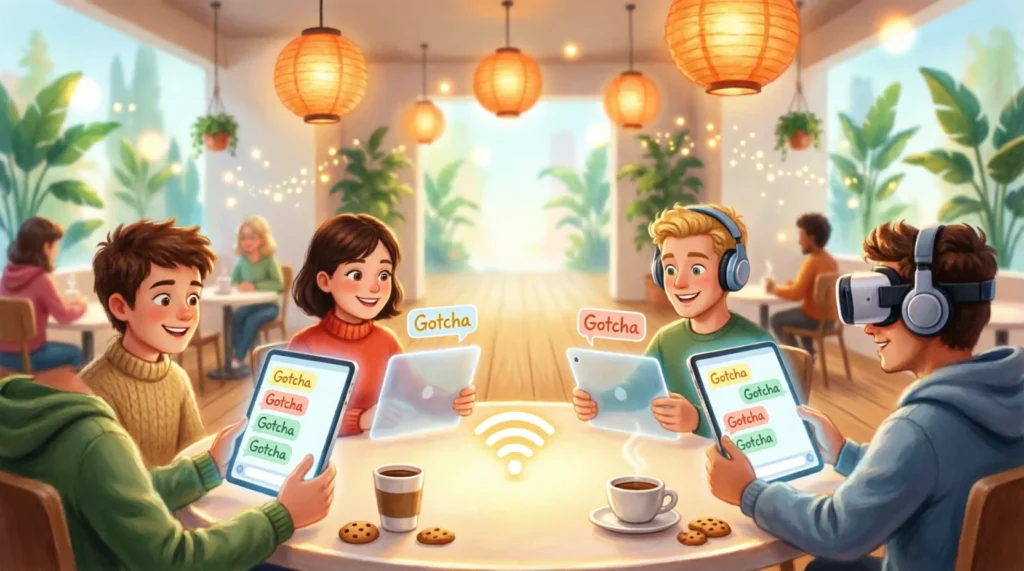
There’s a reason this slang became so popular.
1. It Saves Time
Instead of typing:
- “I understand what you mean.”
People simply say:
- “Gotcha.”
Fast and easy.
2. It Sounds Friendly
“Gotcha” feels more casual and human than formal replies like:
- “Understood.”
- “Acknowledged.”
That’s why it works well in chats.
3. It Adds Emotion
Depending on tone, it can sound:
- funny 😂
- playful 😏
- confident 🔥
- understanding 👍
Few words carry so much personality.
4. Internet Culture Made It Viral
Memes, TikTok videos, gaming streams, and online jokes helped spread the word globally.
Now even non-native English speakers use it naturally.
Real-Life Examples of Gotcha Meaning 🔥
Here are practical examples so you fully understand how people use it.
Example 1: Understanding Someone
Friend: “Take the second left after the bank.”
You: “Gotcha.”
Meaning:
✅ I understand your directions.
Example 2: Catching Someone
“Gotcha stealing my fries!”
Meaning:
✅ I caught you doing something.
Usually playful.
Example 3: Joke or Prank
“Your account got deleted.”
“WHAT?!”
“Haha gotcha!”
Meaning:
✅ I fooled you.
Example 4: Online Gaming
“Gotcha with that sniper shot!”
Meaning:
✅ I hit or defeated you.
Example 5: Workplace Conversation
Boss: “Please update the report tonight.”
Employee: “Gotcha.”
Meaning:
✅ Understood.
Gotcha vs Similar Terms 📊
| Term | Meaning | Tone |
|---|---|---|
| Gotcha | I understand / caught you | Casual |
| Understood | I understand clearly | Formal |
| Okay | Simple agreement | Neutral |
| Caught you | Found you doing something | Direct |
| I get it | I understand | Conversational |
| Pranked you | Fooled you | Playful |
Different Meanings of “Gotcha” Based on Tone 🎭
This is where many people get confused.
The same word can mean completely different things.
Friendly Tone 👍
“Gotcha, thanks!”
Meaning:
- I understand
- everything’s fine
Sarcastic Tone 😏
“Ohhh, gotcha…”
Meaning:
- I see what you’re trying to do
- possibly suspicious
Playful Tone 😂
“Gotcha!”
Meaning:
- I fooled you
- prank successful
Aggressive Tone ⚠️
“Gotcha now.”
Meaning:
- I caught you
- possibly threatening
Context matters a lot.
When Should You Use “Gotcha”? ✅
“Gotcha” works best in casual situations.
Good Situations
Use it when:
- texting friends
- chatting online
- gaming
- replying casually
- confirming understanding
Example:
“Gotcha, I’ll do it.”
Perfectly natural.
Situations to Avoid
Avoid using “gotcha” in:
- formal emails
- academic writing
- legal communication
- serious professional meetings
Instead, use:
- “Understood”
- “Noted”
- “I understand”
Is “Gotcha” Rude? ⚠️
Usually, no.
Most of the time, “gotcha” is friendly and harmless.
But it can sound rude if:
- used sarcastically
- said aggressively
- used to embarrass someone
Example:
“Gotcha lying again.”
That feels accusatory.
So tone and context are everything.
Common Misunderstandings About Gotcha
Misunderstanding #1: It Always Means “I Understand”
Not true.
Sometimes it means:
- “I caught you”
- “I tricked you”
Misunderstanding #2: It’s Always Friendly
Also false.
Tone changes everything.
Misunderstanding #3: It’s Modern Slang Only
Actually, “gotcha” has existed for decades.
The internet just made it more popular.
Pro Tips for Using “Gotcha” Naturally 💡
✅ Use It Casually
Best for:
- texting
- social apps
- gaming chats
✅ Match the Tone
Friendly conversation = friendly “gotcha.”
Serious discussion? Maybe avoid it.
✅ Add Emojis Online
Examples:
- “Gotcha 👍”
- “Haha gotcha 😂”
This helps avoid confusion.
⚠️ Don’t Overuse It
Repeating “gotcha” too much can sound robotic or annoying.
Mix it with:
- “okay”
- “I understand”
- “sounds good”
- “I get it”
Why “Gotcha” Became So Popular Online 🚀
Internet culture loves:
- short replies
- expressive slang
- quick reactions
“Gotcha” checks all those boxes.
It’s:
- fast
- emotional
- easy to understand
- flexible
That’s why you’ll see it on:
- TikTok
- Discord
- YouTube comments
- Snapchat
- gaming streams
It became part of digital conversation culture.
Psychological Reason Behind “Gotcha” 👀
Interestingly, “gotcha” creates a sense of:
- connection
- acknowledgment
- instant reaction
When someone says “gotcha,” your brain quickly recognizes:
- understanding
- attention
- engagement
That’s one reason it feels more personal than cold replies like “okay.”
Can “Gotcha” Be Used Flirting? 😏
Yes — sometimes.
Example:
“So you missed me?”
“Haha, gotcha 😉”
In flirting, it often means:
- teasing
- playful catching
- emotional reaction
Tone matters heavily here.
FAQ:
What does “gotcha” mean in texting?
In texting, “gotcha” usually means:
“I understand” or “Okay, I got it.”
Is “gotcha” slang?
Yes. “Gotcha” is informal slang commonly used in conversations, texting, gaming, and social media.
Can “gotcha” be sarcastic?
Yes. Depending on tone, it can sound playful, sarcastic, or even accusatory.
Is “gotcha” professional?
Not really. It’s better for casual communication than formal business settings.
Final Thoughts:
The gotcha meaning may seem simple at first but it actually changes depending on tone context and situation.
Most commonly it means:
- I understand
- I caught you
- I fooled you
That flexibility is exactly why the word became so popular online.
If you use it naturally and in the right setting gotcha can make conversations feel more relaxed playful, and human.
So next time someone texts you gotcha you’ll instantly know what they really mean 😄
