
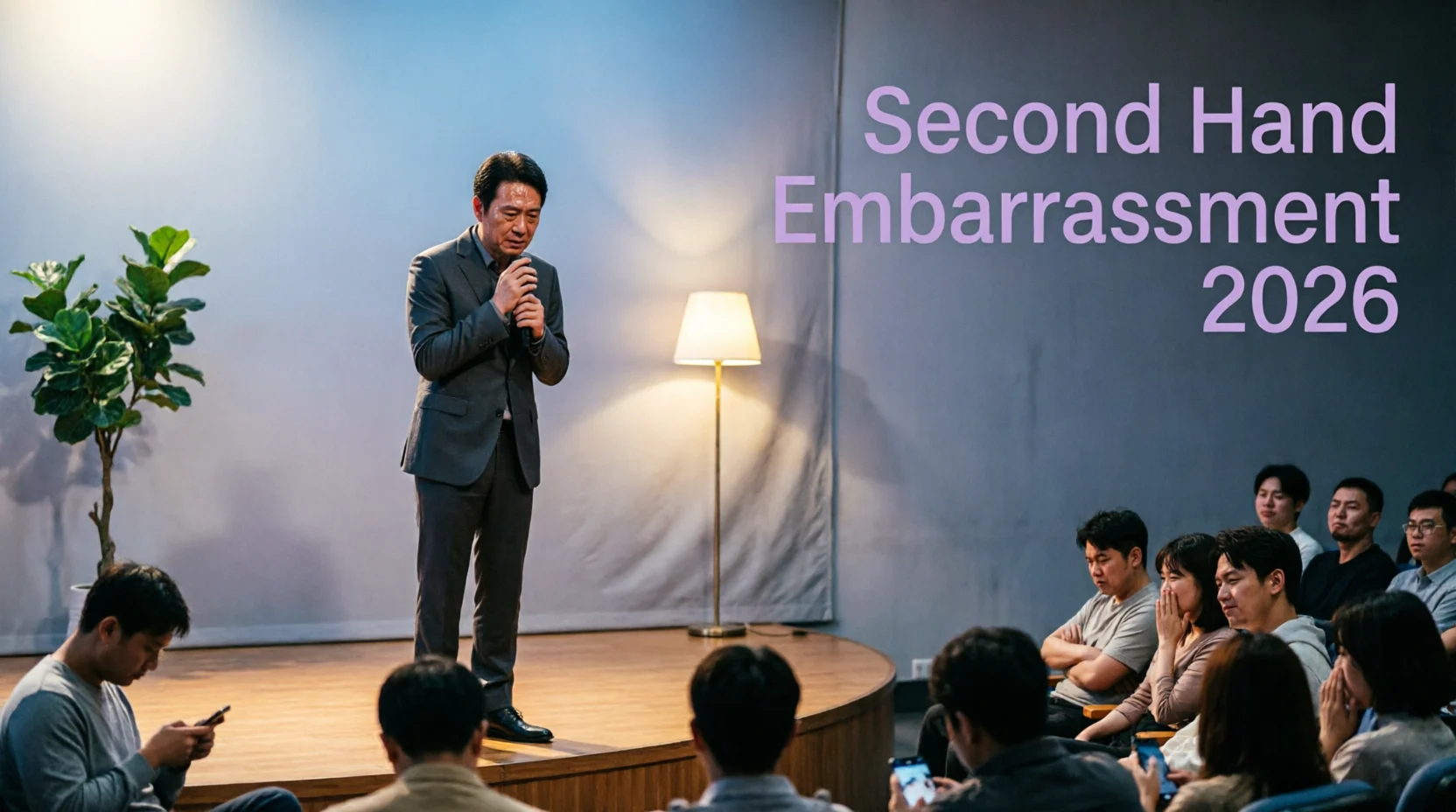
Have you ever watched someone confidently sing the wrong lyrics in front of a crowd and suddenly felt uncomfortable yourself?
Or maybe you’ve seen a contestant on a reality show make a painfully awkward mistake and you had to pause the video because it was just too much to handle.
If you’ve ever hidden behind a pillow while watching a cringe-worthy moment, you’ve experienced second hand embarrassment. It’s one of those strange emotions that almost everyone feels, yet many people struggle to explain.
The fascinating part? Your brain reacts as if the embarrassing moment is happening to you.
Let’s explore what second hand embarrassment really means, why it happens, and why it can make even the strongest person want to disappear into thin air.
What Does Second Hand Embarrassment Mean?
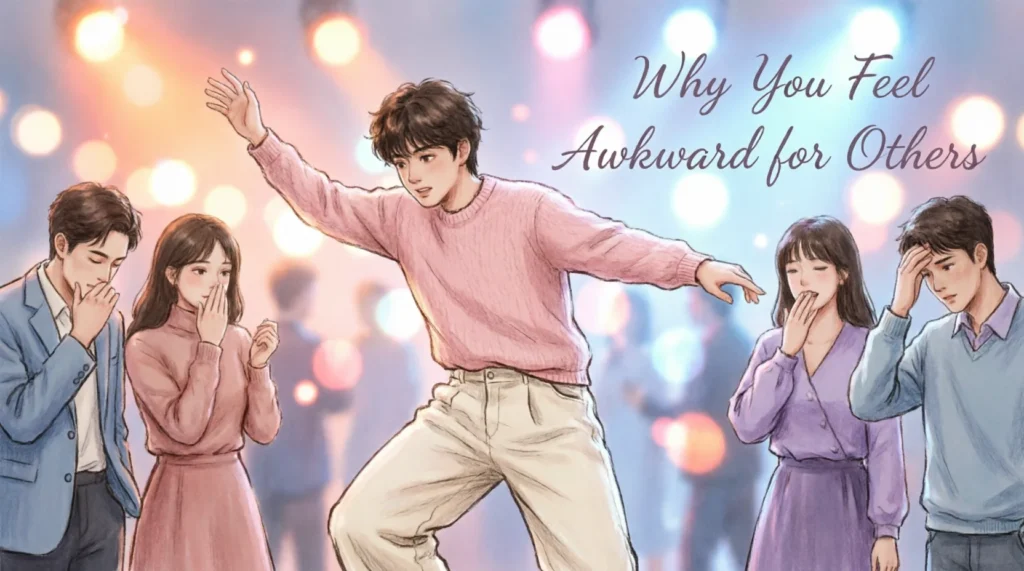
Second hand embarrassment is the feeling of embarrassment, discomfort, or awkwardness you experience when you see another person doing something embarrassing.
Unlike regular embarrassment, where you’re embarrassed by your own actions, second hand embarrassment happens when someone else causes the awkward situation, but you still feel the emotional impact.
Quick Definition
Second hand embarrassment is the uncomfortable feeling you get when witnessing someone else’s awkward, embarrassing, or socially inappropriate behavior.
This feeling is also commonly called:
- Vicarious embarrassment
- Shared embarrassment
- Empathetic embarrassment
- Cringe response
Scientists believe this happens because humans naturally empathize with others. Your brain recognizes social mistakes and reacts as if you’re experiencing them yourself.
Simple Meaning of Second Hand Embarrassment
In simple words, second hand embarrassment means:
“Feeling embarrassed for someone else.”
Imagine these situations:
- Your friend waves at someone who wasn’t waving at them.
- Someone gives a speech with their zipper open.
- A person confidently tells a joke, and nobody laughs.
- Your parents start dancing in public while you’re with them.
Even though none of these things happened to you, your face might still turn red.
That’s second hand embarrassment in action. 🔥
Where Is Second Hand Embarrassment Used?
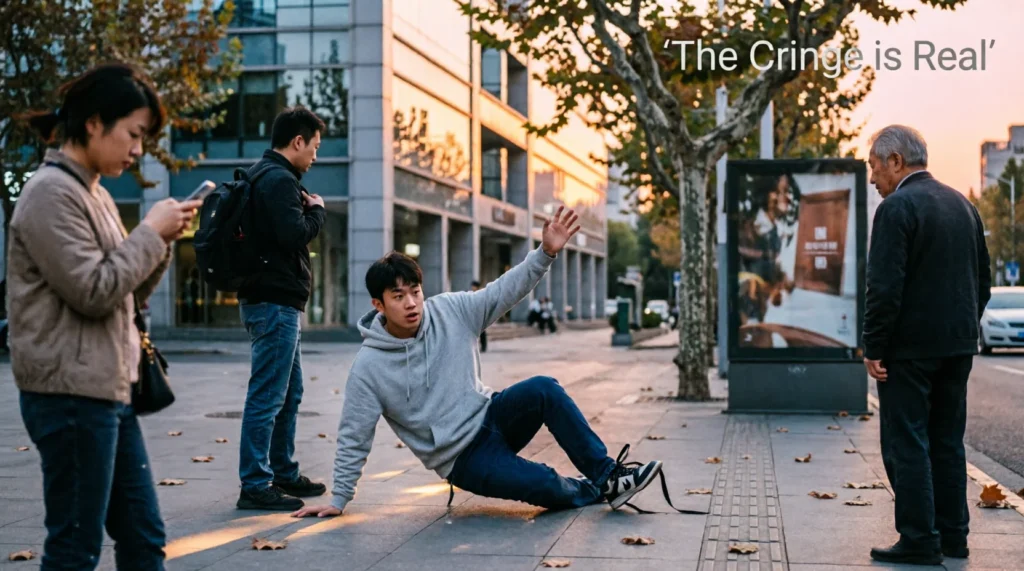
The phrase is used in everyday conversations, social media, and online communities.
Common Places You’ll See It
Social Media
People frequently post comments like:
- “This video gave me second hand embarrassment.”
- “I had to stop watching because the second hand embarrassment was too much.”
- “The entire interview was painful to watch.”
Movies and TV Shows
Some popular genres practically survive on awkward moments:
- Reality TV
- Comedy shows
- Talent competitions
- Dating shows
- Mockumentaries
Shows with intentionally awkward humor often create second hand embarrassment to entertain viewers.
Daily Life
You might use the phrase when:
- Watching a class presentation.
- Attending family gatherings.
- Sitting through awkward work meetings.
- Seeing public arguments.
- Watching someone flirt unsuccessfully.
Examples in Conversations
- “I got second hand embarrassment watching him trip on stage.”
- “That interview was so awkward I couldn’t finish it.”
- “My little brother’s dance performance gave me second hand embarrassment, but it was adorable.”
Why Do People Use It?
People use the phrase because it’s a quick way to describe a very specific emotional experience.
Instead of saying:
“I felt uncomfortable, awkward, empathetic, and embarrassed while watching someone else.”
You can simply say:
“I got second hand embarrassment.”
Reasons People Use the Term
- It’s relatable.
- It’s widely understood online.
- It accurately describes awkward feelings.
- It’s commonly used in memes and internet culture.
- It creates an emotional connection with others.
The term has become especially popular because of platforms like:
- YouTube
- TikTok
- X (formerly Twitter)
People love sharing cringe moments, and viewers love discussing the second hand embarrassment they felt afterward.
Why Does Second Hand Embarrassment Happen?
This is where things get interesting.
Psychologists suggest that second hand embarrassment is connected to empathy. Humans are social creatures, and our brains are wired to understand and share other people’s emotions.
When you see someone making a social mistake, your brain may think:
- “That could have been me.”
- “I know how terrible that feels.”
- “I hope they’re okay.”
As a result, your body can react physically.
Common Reactions Include:
- Covering your face.
- Looking away.
- Laughing nervously.
- Cringing.
- Feeling uncomfortable.
- Wanting to leave the room.
It’s almost like your brain is trying to protect you from social danger.
Real-Life Examples of Second Hand Embarrassment
Let’s look at some relatable examples.
Example 1: The Wrong Name
Imagine someone giving an award speech and thanking “Sarah,” only to realize their wife’s name is actually “Sophia.”
Everyone freezes.
You immediately think:
“Oh no. Please let this end.”
That’s second hand embarrassment.
Example 2: The Silent Joke
A coworker tells a joke during a meeting.
Nobody laughs.
Not a single person.
Suddenly, the room becomes painfully quiet.
You feel uncomfortable even though you weren’t the one telling the joke.
Example 3: Reality TV Moments
Reality shows are full of awkward moments:
- Failed auditions.
- Bad pickup lines.
- Emotional oversharing.
- Public meltdowns.
Many viewers admit they skip scenes because the second hand embarrassment becomes unbearable.
Example 4: Parents on Social Media
Your parents decide to recreate a trending dance challenge online.
They post it publicly.
You discover it has 20,000 views.
Congratulations—you’ve unlocked maximum second hand embarrassment. 😅
Second Hand Embarrassment vs Similar Terms
| Term | Meaning | Example |
|---|---|---|
| Second Hand Embarrassment | Feeling embarrassed for others | Watching someone fail publicly |
| Cringe | Feeling discomfort from awkwardness | Seeing an awkward TikTok |
| Shame | Personal feeling of regret | Regretting your own actions |
| Embarrassment | Feeling awkward about yourself | Forgetting someone’s name |
| Sympathy | Feeling concern for someone | Feeling sorry for a friend |
| Empathy | Understanding another’s feelings | Imagining yourself in their situation |
Key Difference
- Embarrassment: Happens to you.
- Second Hand Embarrassment: Happens to someone else.
- Cringe: Can include awkwardness, but isn’t always emotional.
Many people use “cringe” and “second hand embarrassment” interchangeably, but they’re not exactly the same.
When Should You Use Second Hand Embarrassment?
You can use this phrase whenever someone else’s actions make you feel uncomfortable or embarrassed.
Use It When:
- Watching awkward videos.
- Talking about TV shows.
- Discussing public mistakes.
- Commenting on social media.
- Sharing funny experiences.
Example Sentences
- “I experienced second hand embarrassment during the talent show.”
- “That speech was difficult to watch.”
- “The entire internet felt second hand embarrassment after the viral clip.”
- “I paused the movie because I couldn’t handle the awkwardness.”
It’s an informal phrase, making it perfect for casual conversations.
Is Second Hand Embarrassment Normal?
Absolutely.
In fact, feeling second hand embarrassment is often considered a sign of empathy.
People who experience it tend to:
- Notice social cues.
- Care about others’ feelings.
- Imagine themselves in similar situations.
- Have strong emotional awareness.
However, not everyone experiences it with the same intensity.
Some people can watch awkward moments without any reaction, while others physically can’t continue watching.
Neither response is wrong.
Common Misunderstandings About Second Hand Embarrassment
There are several myths surrounding this emotion.
Misunderstanding #1: It’s the Same as Being Embarrassed
Not true.
Regular embarrassment happens because of your actions.
Second hand embarrassment happens because of someone else’s actions.
Misunderstanding #2: Only Sensitive People Feel It
Wrong.
Almost everyone experiences it at some point.
Some people simply express it differently.
Misunderstanding #3: It’s Always Negative
Not necessarily.
Sometimes second hand embarrassment can be funny and create shared experiences.
Think about family stories that everyone laughs about years later.
Misunderstanding #4: It’s an Internet Trend
While the phrase became more popular online, the feeling itself has existed for centuries.
Humans have always empathized with each other’s social experiences.
Pro Tips for Understanding and Using the Phrase
Here are a few helpful tips. ✅
1. Use It Naturally
Instead of forcing the phrase into every conversation, use it when it genuinely fits.
Example:
“Watching that audition gave me serious second hand embarrassment.”
2. Remember the Context
The phrase works best in:
- Casual conversations
- Social media posts
- Text messages
- Blog comments
- Entertainment discussions
3. Don’t Confuse It with Bullying
There’s a difference between:
- Feeling second hand embarrassment.
- Making fun of someone.
It’s okay to feel awkward for someone, but it’s important to remain kind.
4. Understand Cultural Differences
What’s embarrassing in one culture may not be embarrassing in another.
Context matters.
5. Embrace the Humor
Many awkward moments become hilarious over time.
Years later, people often laugh at stories that once made everyone cringe.
Fun Facts About Second Hand Embarrassment
Here are some interesting facts:
- Researchers often call it vicarious embarrassment.
- Your brain may activate empathy-related regions when experiencing it.
- Reality TV thrives on creating it.
- It’s one reason cringe comedy is so popular.
- People often physically react by hiding their faces.
Ever noticed yourself peeking through your fingers during an awkward movie scene?
You’re definitely not alone.
Frequently Asked Questions
1. What is second hand embarrassment?
Second hand embarrassment is the uncomfortable feeling you experience when witnessing another person’s embarrassing or awkward behavior.
2. Is second hand embarrassment a real psychological phenomenon?
Yes. Psychologists often refer to it as vicarious embarrassment, and it is linked to empathy and social awareness.
3. Why do I feel second hand embarrassment so strongly?
You may be highly empathetic and naturally sensitive to social situations, causing your brain to mirror other people’s emotions.
4. Is second hand embarrassment the same as cringe?
Not exactly. Cringe refers to feeling uncomfortable or awkward, while second hand embarrassment specifically involves feeling embarrassed on behalf of someone else.
Final Thoughts
Second hand embarrassment is one of the most human emotions we experience. It reminds us that we’re deeply connected to other people and their experiences.
The next time you find yourself cringing at an awkward speech, a failed joke, or a painfully uncomfortable reality TV moment, remember: your brain is simply doing what it’s designed to do empathize.
And honestly if you’ve never hidden behind a cushion while watching an awkward scene, are you even human?

Mira has worked for 5 years as a freelance and online content writer, producing high-quality articles for blogs, websites, and digital platforms. She focuses on delivering original, reader-friendly, and informative content.